
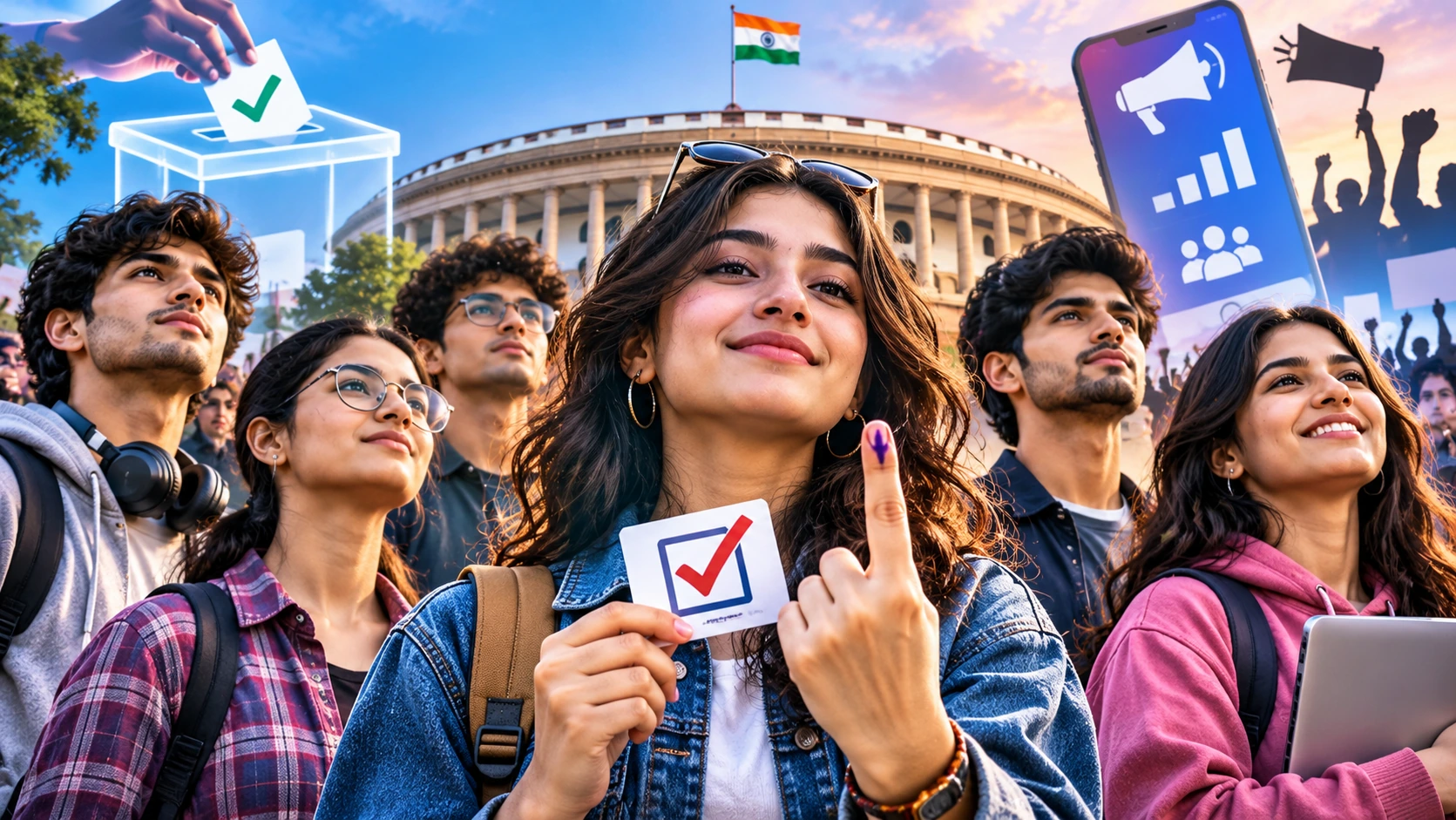
Every generation brings new ideas, expectations, and priorities to the political environment. However, Generation Z is introducing a particularly noticeable shift in how young people engage with politics and democracy.
Growing up in a digitally connected world, Gen Z has access to information, political discussions, and global events through smartphones and social media. Unlike previous generations, many young voters discover political developments through online videos, independent creators, podcasts, and digital communities.
Their interests often include employment opportunities, education, climate change, economic equality, mental health awareness, and digital rights. As this generation becomes a larger part of the electorate, its participation may influence political conversations, campaign strategies, and future government priorities.
1. Who Are Gen Z Voters?
Generation Z generally refers to people born between the late 1990s and early 2010s, although exact birth-year definitions vary.
Many members of this generation are entering adulthood, completing their education, beginning careers, and participating in elections for the first time.
Their political experiences are shaped by a rapidly changing world that includes digital technology, economic uncertainty, environmental concerns, and evolving social expectations.
For young voters, politics is not limited to election campaigns. It also involves everyday issues such as affordable education, job opportunities, public safety, healthcare, and access to technology.
2. Social Media Has Changed Political Awareness
One of the biggest differences between Gen Z and older generations is how they consume political information.
Platforms such as Instagram, YouTube, X, and other digital communities have become important sources of political discussions.
Young people can watch election debates, follow political leaders, explore policy explanations, and participate in online conversations.
Short-form videos and visual content also make complicated political subjects easier to discover.
However, online popularity does not always indicate accuracy. Young voters need to distinguish between informed political analysis, personal opinions, entertainment content, and deliberate misinformation.
3. Employment and Economic Opportunities Matter
Economic concerns are among the important issues influencing young voters.
Many young adults face challenges such as unemployment, rising living costs, expensive education, and uncertainty about career opportunities.
For students and first-time job seekers, political decisions regarding education funding, skill development, entrepreneurship, taxation, and employment programs can have a direct impact on their future.
As a result, young voters may evaluate political parties based on their ability to present realistic economic plans rather than relying entirely on traditional political promises.
Their expectations are encouraging political discussions to focus more closely on long-term economic opportunities.
4. Climate Change and Environmental Responsibility
Environmental protection has become an important subject among younger generations.
Climate change, air pollution, water shortages, waste management, and renewable energy are issues that can affect their future quality of life.
Many young people support stronger environmental policies and want governments to consider sustainability while planning infrastructure and industrial development.
Climate-related awareness campaigns, student initiatives, and community movements have also helped bring environmental concerns into public discussions.
This growing interest may encourage political parties to explain their environmental policies more clearly.
5. Gen Z Wants Greater Transparency and Accountability
Young voters increasingly expect public institutions and political representatives to communicate clearly about their decisions.
Social media makes it easier to question public statements, share evidence, discuss government performance, and highlight administrative concerns.
Many young citizens want to understand how public money is spent, how policies are implemented, and whether election promises are being fulfilled.
This demand for accountability can strengthen democratic participation when discussions are based on verified information and constructive criticism.
However, online criticism should also distinguish between genuine public-interest concerns and unverified allegations.
6. The Rise of Youth-Led Movements
Young people are increasingly participating in community initiatives, awareness campaigns, peaceful protests, and volunteer activities.
These movements may focus on environmental protection, education access, gender equality, employment opportunities, or local infrastructure.
Digital platforms help young organizers share information, coordinate activities, and connect with people who support similar causes.
Youth-led initiatives can bring fresh perspectives to public discussions and encourage established political institutions to pay attention to emerging concerns.
Their effectiveness, however, depends on sustained participation and the ability to translate awareness into practical action.
7. Challenges That Still Keep Young Voters Away From Politics
Despite growing digital awareness, several barriers prevent some young people from participating actively in democracy.
These include:
- Lack of trust in political institutions.
- Limited understanding of government policies.
- Confusing or misleading information online.
- Lack of representation in political decision-making.
- Disinterest caused by negative political debates.
- Practical difficulties with voter registration and participation.
In some cases, young people are highly active in online political discussions but do not participate in elections.
Encouraging voter awareness, civic education, and accessible registration processes can help reduce this gap.
8. How Gen Z Could Shape the Future of Democracy
As more members of Generation Z become eligible voters, political organizations may need to rethink how they communicate and develop policies.
Campaigns may increasingly focus on digital engagement, transparent communication, employment, education, environmental sustainability, and technological development.
Young voters can also influence political priorities by asking questions, participating in public consultations, supporting community initiatives, and evaluating candidates carefully.
Importantly, Gen Z is not a politically uniform generation. Young people have different economic circumstances, cultural backgrounds, political beliefs, and priorities. Their voting preferences cannot be reduced to a single viewpoint.
The strength of democracy comes from allowing these different perspectives to participate in decision-making.