
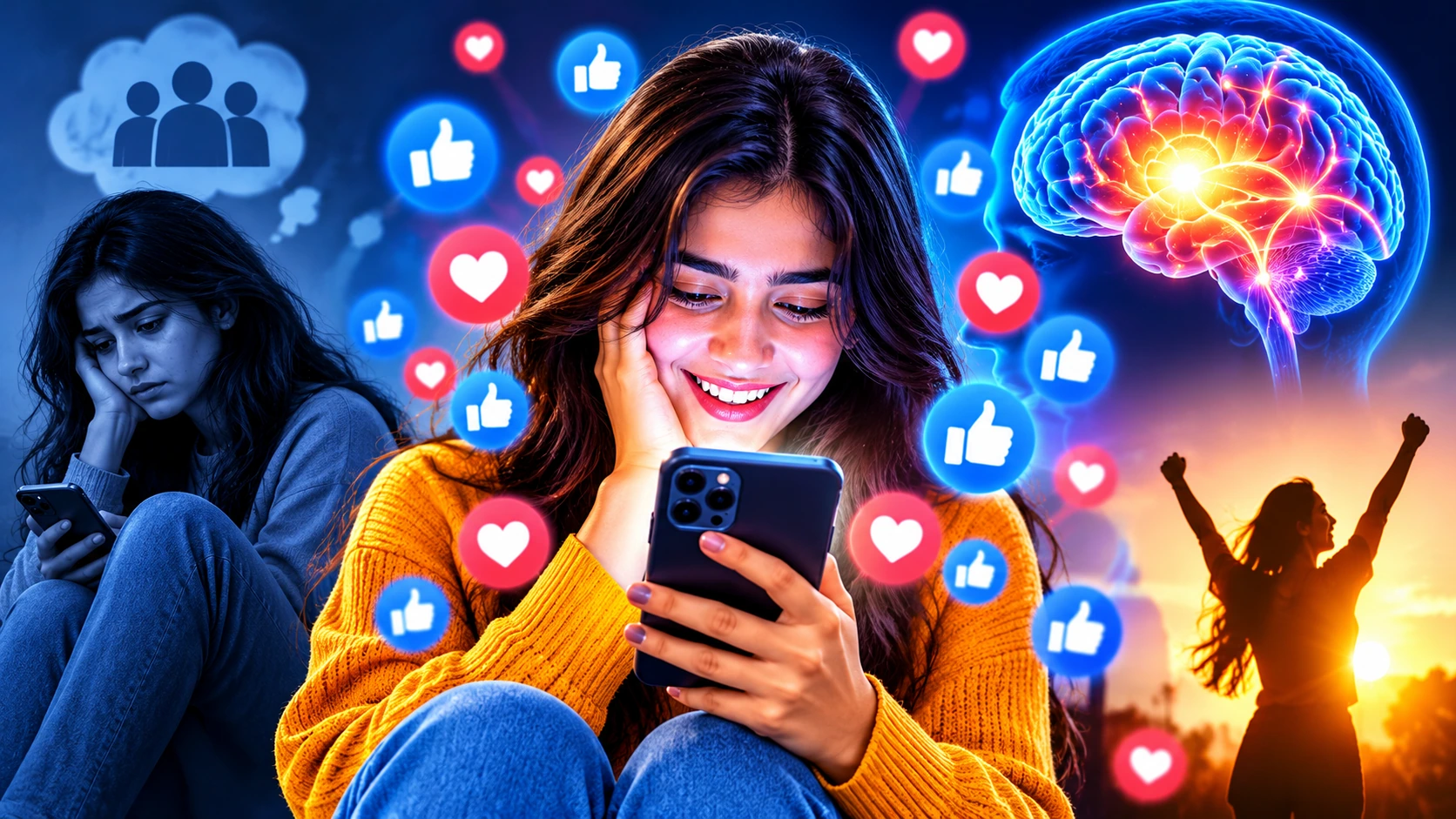
Have you ever posted a photograph, shared an achievement, or uploaded a video and then repeatedly checked how many likes it received? This is a common experience for millions of social media users.
Likes, comments, shares, and reactions have become familiar ways of interacting online. Although these features may seem like simple buttons, they can influence how people feel about themselves and how they evaluate their social relationships.
Understanding the psychology behind social media likes helps explain why online validation has become such an important part of modern digital behaviour.
1. The Human Need for Social Acceptance
Humans naturally seek connection, appreciation, and acceptance from others.
Throughout history, social relationships have played an important role in emotional well-being and community life. People often feel encouraged when their efforts, opinions, or achievements are appreciated.
Social media has introduced a digital version of this experience.
When someone receives likes on a photograph or a personal update, they may interpret these reactions as signs that others appreciate their content.
This can create a temporary feeling of belonging and social recognition.
However, the number of likes does not necessarily reflect someone’s actual popularity, value, or quality of relationships.
2. How Likes Activate the Brain’s Reward System
One reason social media engagement feels rewarding is its connection with the brain’s reward system.
Positive social feedback can activate neural processes associated with motivation and reward. Receiving likes may therefore create feelings of pleasure or excitement.
Some social media interactions also involve unpredictable rewards. A person may receive ten likes within minutes, followed by hundreds more later, making them curious about checking again.
This uncertainty can encourage repeated app usage.
However, it is important to understand that social media likes do not affect everyone in the same way. Their psychological impact depends on individual personality, expectations, emotional state, and usage habits.
3. Comparison With Others Influences Self-Esteem
Social media makes it easy to compare personal experiences with the carefully selected highlights of other people’s lives.
Users regularly see photographs of vacations, expensive purchases, celebrations, career achievements, and attractive lifestyles.
When someone compares their everyday experiences with these carefully presented images, they may feel that their own life is less exciting or successful.
Likes can make this comparison even more noticeable.
For example, a person may feel disappointed when their photograph receives fewer reactions than a friend’s similar post.
This can gradually encourage people to judge their self-worth through online engagement rather than personal achievements and meaningful relationships.
4. Why People Keep Checking Their Notifications
Notifications are designed to bring users back to social media platforms.
When someone receives a notification about a new like, comment, or follower, they may feel encouraged to open the application.
Repeated checking can become a habit, especially when users expect new reactions or updates.
Some people check their accounts immediately after posting content, while others repeatedly refresh their notifications throughout the day.
Although occasional checking is normal, constantly monitoring engagement can become distracting.
Creating specific times for checking social media may help users maintain better control over their digital routines.
5. The Fear of Missing Out (FOMO)
Fear of Missing Out, commonly known as FOMO, refers to the feeling that other people are experiencing enjoyable or important events without you.
Social media can intensify this feeling by providing constant updates about social gatherings, celebrations, travel experiences, and trending activities.
When users see others receiving attention online, they may feel pressure to remain active and visible.
Some may post more frequently because they fear being forgotten or excluded from online conversations.
Understanding that social media presents selected moments rather than complete realities can help reduce unnecessary comparison.
6. The Pressure to Create Perfect Content
The desire to receive likes can influence the type of content people share.
Some users carefully select photographs, apply filters, edit videos, and rewrite captions before publishing anything.
While creativity and editing can be enjoyable, excessive pressure to appear perfect may create unrealistic expectations.
People may begin avoiding genuine experiences because they are more concerned about how those moments will look online.
This can make social media feel like a performance rather than a space for authentic communication.
Sharing content that reflects personal interests instead of chasing reactions can create a healthier relationship with digital platforms.
7. How Social Media Likes Affect Mental Well-Being
The relationship between social media engagement and mental health varies from person to person.
Positive interactions can help users feel connected, appreciated, and supported.
However, excessive dependence on online validation may contribute to:
- Lower self-confidence.
- Social comparison and jealousy.
- Anxiety about public reactions.
- Fear of negative comments.
- Pressure to maintain an online image.
- Difficulty disconnecting from social media.
These experiences are not inevitable, but they highlight why balanced social media use matters.
People experiencing persistent emotional distress should consider speaking with a qualified mental health professional.
8. Practical Ways to Stop Depending on Online Validation
Developing a healthier relationship with social media does not require deleting every application.
Instead, a few practical habits can help:
Focus on Real-Life Achievements: Celebrate personal progress even when it does not receive online attention.
Limit Notification Checking: Turn off unnecessary notifications and avoid repeatedly checking likes.
Avoid Constant Comparisons: Remember that social media posts rarely show the complete reality of someone’s life.
Share Content Authentically: Post photographs, opinions, and experiences because they matter to you, not only because they may attract attention.
Take Digital Breaks: Spend time on hobbies, exercise, family activities, and face-to-face conversations.
Measure Self-Worth Differently: Your abilities, relationships, values, and achievements matter much more than an engagement count.